







Search Results for: Coffee getting cold
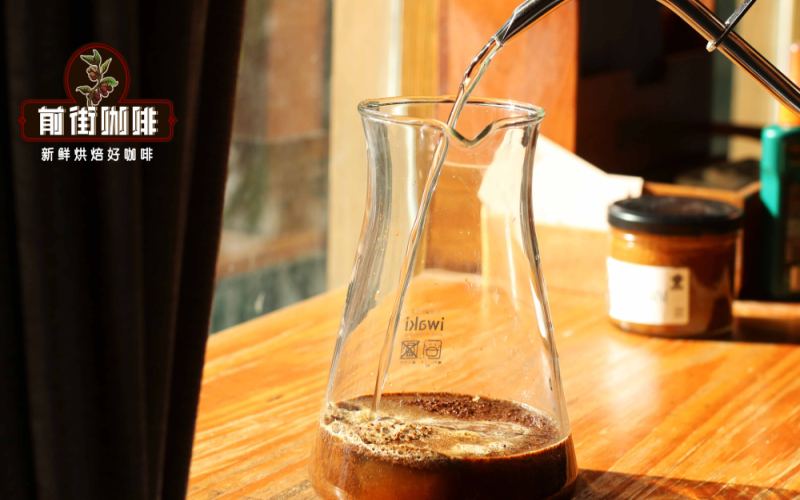
How should you drink cold brew coffee to get the right flavor? Why must it be brewed a day in advance, and a guide to pairing it with sparkling water and juice
Cold brew coffee and conventional hot-brewed coffee are fundamentally different in their production logic; they must be steeped a day in advance to achieve the ideal flavor. That is why Front Street's cold brew does not offer a large menu of bean options like pour-over does. For this reason, Front Street is especially careful when selecting beans for cold brew, specifically choosing varieties suited to low-temperature extraction with high flavor acceptability, so that customers can still enjoy an excellent experience within a limited selection. Many friends want to recreate it at home after trying it, so this article will share in detail the steps for making cold brew, its flavor characteristics, and ideas for specialty drinks paired with sparkling water, juice, and fresh milk, along with specific bean recommendations from the Front Street brand. [more…]
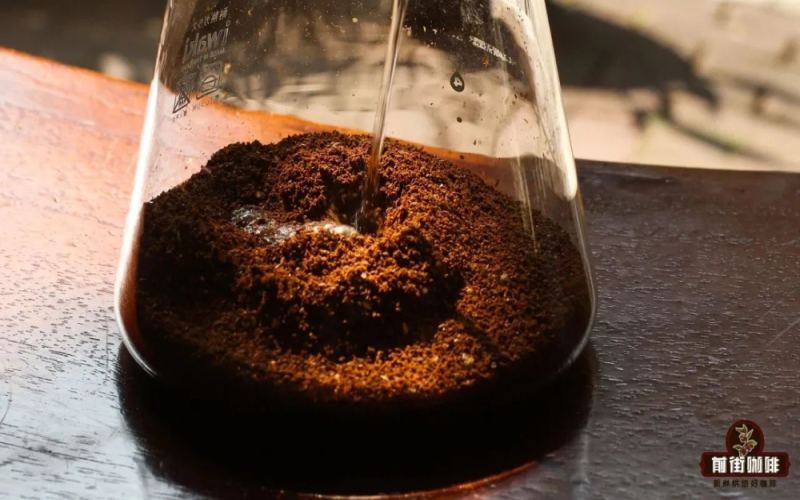
The Complete Guide to French Press Cold Brew Coffee: Bean Selection, Coffee-to-Water Ratios, and Refrigerated Brewing Techniques
Want to drink cold brew coffee without buying extra equipment? A French press can easily get the job done. This article walks through the complete process of making cold brew coffee with a French press, first explaining why immersion extraction has a high margin for error and a low barrier to operation, then combining Front Street's bean selection experience to recommend coffee beans with floral and fruity notes and sweet, mellow types suitable for cold brew. It then uses a 300ml French press, a 1:10 coffee-to-water ratio, and 30g of Front Street Strawberry Candy coffee beans as an example to demonstrate step by step grinding, pouring water, stirring, refrigerating for 8 to 16 hours, filtering, and drinking suggestions, while also adding practical details such as refrigeration storage time and flavor changes, helping you consistently make a clean and smooth cup of French press iced coffee. [more…]

Cold Brew Coffee Beans Recommendation | What Are the Characteristics of Cold Brew Coffee? Which Coffee Bean Varieties Are Suitable for Cold Brew? Can Regular Coffee Grounds Be Used for Cold Brew?
Cold brew coffee is becoming more and more common nowadays. We are all so busy in our daily lives that we don't even have time to go buy a cup of coffee. In that case, cold brew coffee is the quickest way to get a cup of coffee right now. The fermented aroma and refreshing coolness of cold brew instantly make you feel at ease, and even in autumn and winter, it still makes you think of its taste. You only need to spend [more…]

Analysis of Why Cold Brew Coffee Filters Slowly and Comparison of Three Practical Solutions to Speed Up Filtration
Summer is here, and many people enjoy making cold brew coffee at home, but the filtration step often proves troublesome—the coffee liquid drips extremely slowly, sometimes taking half a day. Why is cold brew filtration so slow? The core reason is that the extremely fine particles in the coffee grounds clog the pores of the filter paper, leaving insufficient channels for the liquid to flow through. This is especially true when making multiple servings at once, as the waiting time gets stretched even further. This article will first explain the causes of clogging, then share three methods commonly used by baristas to speed up filtration: using a filter bag or cloth to pre-isolate the coffee grounds, spreading the coffee grounds at the bottom of the filter paper to intercept fine particles, and using a vacuum filtration device to achieve rapid filtration under reduced pressure. Each approach has its own pros and cons, suiting enthusiasts with different needs, and the article also retains relevant experience and product recommendations from the Front Street Coffee brand. [more…]
The Complete Guide to French Press Cold Brew Coffee: A Detailed Look at Bean Selection, Coffee-to-Water Ratio, and Steeping Time
You don't necessarily need professional equipment to enjoy cold brew coffee—a French press can easily get the job done. In this article, Front Street Coffee will walk you through the unique advantages of using a French press to make cold brew—the immersion extraction method is highly forgiving and requires zero skill—while also sharing buying advice for coffee beans suitable for cold brew, as well as the complete steps from grinding, coffee-to-water ratio, to filtering and storage. Whether you prefer fruity and floral notes or a smooth, rich flavor, you'll find the perfect cup for you. [more…]

The opening of Tims' first store in Nanning triggered a queuing frenzy, with consumers clamoring for limited-edition cups in the cold weather.
On December 16, Tims China opened its first store in Nanning, Guangxi, launching opening promotions such as buy-one-get-one-free, adding 1 yuan for a Farmer's Wrap, and giving away limited-edition cups, attracting a large number of consumers to line up in cold weather. The queue began gathering at 7 a.m., and number tickets were distributed within 20 minutes, sparking netizens' doubts about "paid stand-ins." This article reviews the promotion rules, the on-site queue situation, netizens' comments, and similar marketing phenomena by brands in non-first-tier cities, along with related recommendations from Front Street Coffee. [more…]
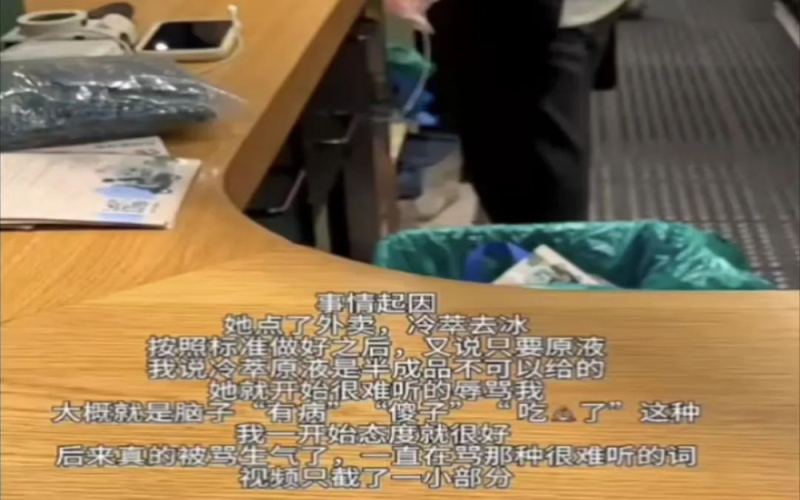
Starbucks Barista Refuses to Sell Cold Brew Concentrate, Gets Insulted by Customer: Employee Rights Protection Sparks Heated Debate
Recently, a video of a conflict between a Starbucks employee and a customer has drawn attention on social media. In the video, the employee, who refused to sell cold brew concentrate—a semi-finished ingredient—on its own, was fiercely insulted by the customer and nearly came under physical attack. After the incident came to light, netizens expressed sympathy for the employee and discussed topics such as how the brand handles customer complaints and how employee rights are protected. Many current employees also shared similar experiences, pointing out that the company often smooths things over by issuing coupons, which may encourage malicious complaints and leave frontline staff disheartened. [more…]
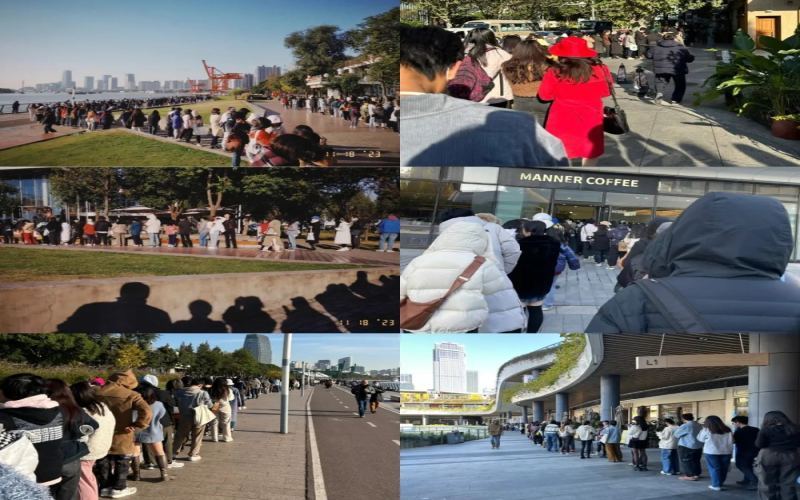
Queuing in long lines on a cold winter morning just for a bottle of perfume? Manner's collaboration with Jo Malone sparks a buying frenzy in 7 cities.
On a cold, windy weekend morning—the kind of day meant for sleeping in until you wake up naturally—hundreds of people were already queuing for hundreds of meters outside Manner stores in several cities across China before dawn. Seven Gingerbread Man–themed stores in Shanghai, Shenzhen, Chengdu, Nanjing, Hangzhou, and elsewhere attracted a large crowd of young people to get up early and endure the cold by offering a 9ml Jo Malone perfume and a Christmas badge with the purchase of a new coffee. The queue at the Shanghai Xuhui Binjiang store was the most spectacular: some people got up at 6 a.m. and arrived at 7 a.m., and by the time the store opened at 9 a.m., the line had already reached number 300. What exactly is the magic of this collaboration that makes young people willing to wait two or three hours in the freezing 0°C wind? Let’s take a closer look. [more…]
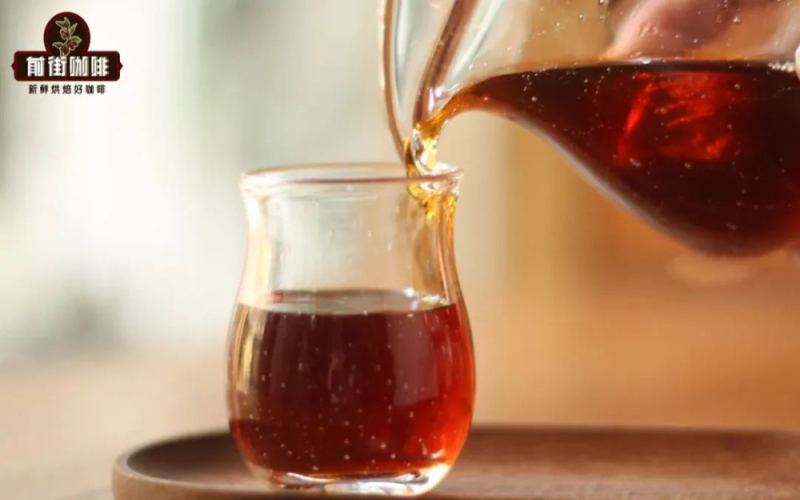
Why Is Cold Brew Coffee Priced So High? Breaking Down the Full Cost of a Pot of Cold Brew, from Equipment and Coffee Dose to Time Required
When the weather gets hot, cold drip coffee becomes the second most popular item in cafés after iced Americano. But many customers wonder: what exactly is the difference between cold drip and Americano? Why is it always more expensive? The answer actually lies in how it's made. Cold drip belongs to the broad category of cold brew, yet it's more particular than ordinary cold brew—it requires a dedicated cold drip tower and slow drip filtration with low-temperature ice water, a process that easily takes five to eight hours, plus refrigerated aging, so a 600ml pot of cold drip takes over ten hours from start to finish. The dose of grounds is also larger: 60 grams of coffee grounds yield only three cups, whereas the same amount used for pour-over yields four cups. This article, drawing on Front Street's production practices, fully breaks down where the expense of cold drip coffee lies and where the time goes. [more…]
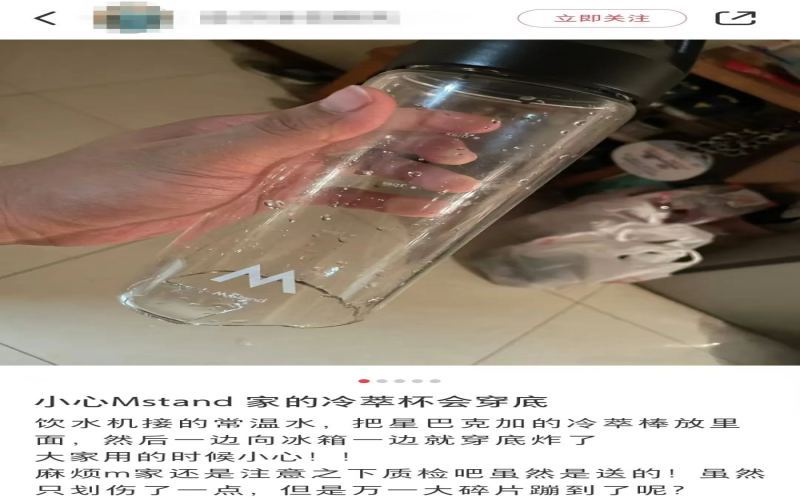
Mstand Cold Brew Carafes Frequently Crack, Fan Merchandise Quality Control Questioned by Fans
In the scorching summer, iced coffee has become a favorite for many coffee enthusiasts, and making cold brew at home is a recent popular choice. Mstand, known for its peripheral marketing, launched a cold brew set in early July, including cold brew coffee bags and a glass cold brew pot, quickly attracting a large number of fans to purchase. However, recently, multiple consumers have reported serious quality issues with this cold brew pot—some had the bottom suddenly shatter and got cut by fragments while using it, and more encountered unexplained cracks at the bottle mouth joint. Although the product is labeled as ordinary glass not resistant to high temperatures, users who reported the issues all stated they did not use hot water and operated carefully. This is not the first time Mstand's peripherals have failed; the previously launched woven bag was also criticized for its easily broken handle. While the strategy of using high-appeal freebies to drive set sales is effective, frequent quality control issues are eroding fan trust. [more…]
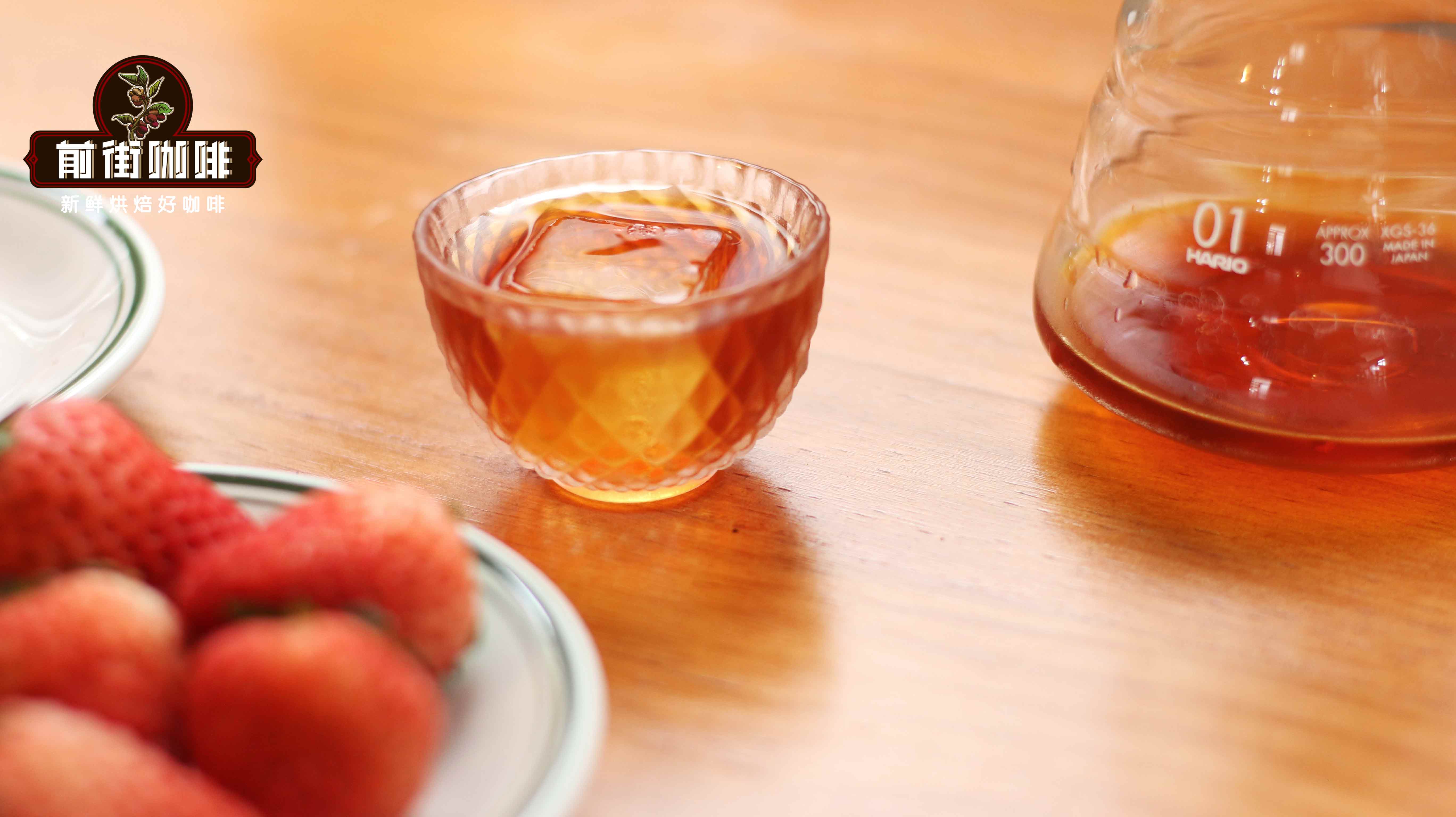
Cold Brew Vienna Coffee Making Guide: Bean Selection Key Points, Cream Handling, and Detailed Parameters & Ratios
On a scorching summer day, a glass of iced coffee always brings a rare moment of cool comfort. If you top cold brew with a layer of velvety cream, you get the Cold Brew Vienna, which has become quite popular in recent years. This drink is not complicated to make and can easily be recreated at home, but if you want it to reach its best flavor, the choice of coffee beans and the way the cream is handled are the two key steps. Based on Front Street Coffee's hands-on experience, this article sorts out the roast levels suitable for pairing with cream, recommended specific bean options, and the differences between milk caps and whipped cream along with suggestions for choosing between them, and it also includes complete preparation parameters and drinking methods to help you make a cup of Cold Brew Vienna at home with distinct layers and a striking contrast in texture. [more…]
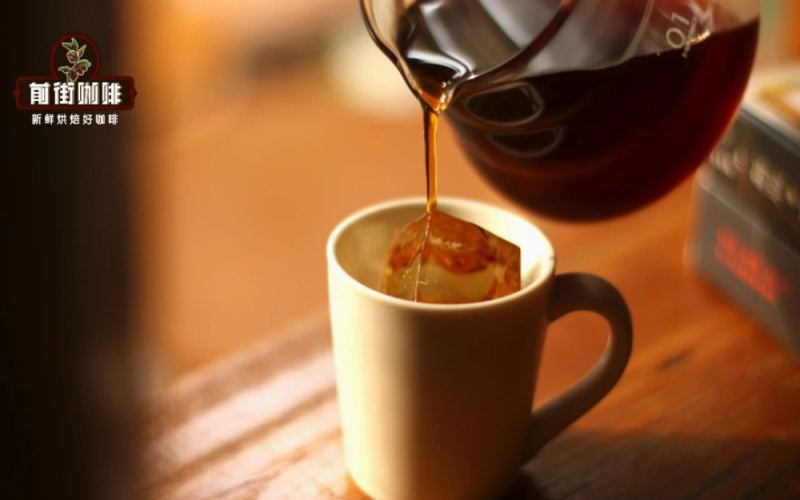
Five Common Questions About Cold Brew Coffee Answered: Why Is It So Expensive When It's So Easy to Make?
Cold brew coffee has rapidly risen in popularity in China in recent years, winning the hearts of many coffee enthusiasts with its refreshing taste and mild, balanced flavor. It originated in the United States, spread to Japan and Europe through social media, and became even more popular worldwide after Starbucks officially launched it. Many people wonder: What exactly is the difference between cold brew and regular iced coffee? Why is cold brew coffee more expensive? Can I make it at home myself? This article will address these five common questions, from the definition of cold brew and its essential difference from iced coffee, to specific homemade methods, the coffee-to-water ratio, and the cold brew performance of Front Street Elida coffee beans, answering them one by one. [more…]
How to Make Cold Brew Coffee? Shelf Life and Flavor Characteristics, with Four Front Street Coffee Bean Recommendations
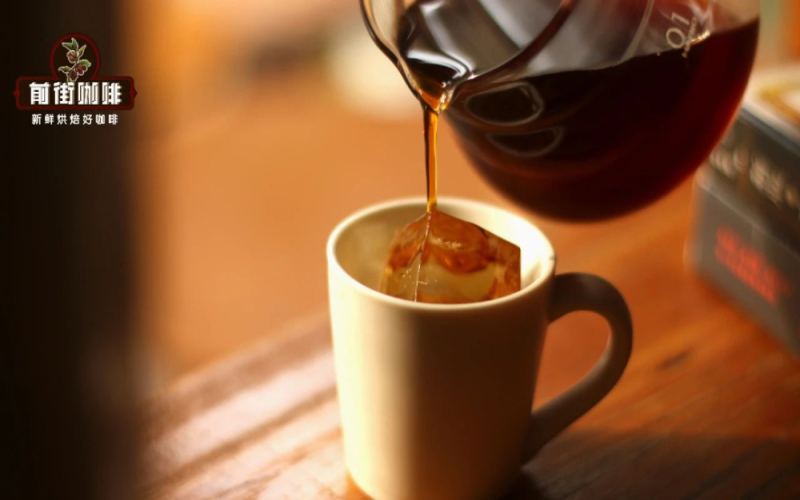
Cold Brew Coffee is made by steeping ground coffee in room-temperature water for about 12 hours, then filtering out the grounds to obtain the coffee liquid. Compared with conventional hot brewing methods, its coffee flavor is more concentrated, less bitter, and smoother on the palate. However, the longer cold brew sits, the more pronounced its fermented aroma becomes, so the taste you get each day will vary. Front Street recommends drinking it within 3 to 4 days. Although it sounds cumbersome, it is actually quite simple: steep the ground coffee in cold water, leave it in the fridge overnight, and filter out the grounds. In addition to explaining the key points of preparation, this article also recommends four Front Street Coffee beans suitable for cold brew, along with specific recipes and steps. [more…]
Behind the Global Craze for Cold Brew Coffee: A Full Breakdown of the Low-Temperature Extraction Process and DIY Cold Brew
In the past two years, Cold Brew Coffee has spread from the United States via social platforms to Japan and Europe, and finally swept the globe thanks to Starbucks' official launch. In China, it also entered the public eye starting last summer. This coffee, extracted with cold water over a long period at low temperature, is icy in mouthfeel with a mild, balanced flavor, yet its brewing method is surprisingly simple. This article will walk you through the definition and origins of cold brew coffee, clarify how it fundamentally differs from ordinary iced coffee, and include a practical guide to making cold brew at home—just master the coffee-to-water ratio, chill it overnight, and the next day you can enjoy a refreshing glass of iced coffee. For black coffee lovers, this is undoubtedly an option worth trying. [more…]

Cold Brew Guide | How to Make Cold Brew Coffee Without a Fridge? How Long Can Cold Brew Coffee Last at Room Temperature? Which Coffee Beans Are Best for Cold Brew?
It sounds like a cliché, but this summer really is scorching hot! There are many ways to beat the blazing summer heat, and in the coffee world, the best solution is of course the wildly popular cold brew coffee of recent years. If you also want to easily make authentic and delicious cold brew coffee at home, then please follow Front Street Coffee and learn well. [more…]
Why Is Cold Brew Coffee Priced Higher? A Guide to Its Definition, Differences from Iced Coffee, and How to Make It at Home
In recent summers, cold brew coffee has become increasingly common in China. It tastes icy and refreshing, with a softer, more balanced flavor, yet the brewing process is surprisingly simple. This article will start with the definition of cold brew coffee, tracing its rise in the United States, its spread to Japan and Europe through social media, and its global popularity after Starbucks officially launched it. At the same time, it will compare the fundamental differences in extraction methods between cold brew and regular iced coffee, explaining why low-temperature extraction can suppress the release of tannic acid and caffeine, thereby delivering a sweet taste that is neither sour nor astringent. Finally, a 450 ml cold brew recipe is included, demonstrated using Front Street Coffee's Elda coffee beans, with explanations of the coffee-to-water ratio, grind size, and refrigeration extraction time, so readers can easily make a refreshing glass of black coffee at home. [more…]
The Complete Cold Brew Coffee Handbook: From Origins to DIY, Easily Master Low-Temperature Extraction Techniques
Cold brew coffee has become increasingly popular in China in recent years. With its refreshing taste and mild, balanced flavor, it has become the summer drink of choice for many coffee lovers. It actually originated in the United States and gradually spread around the world through social media, and Starbucks' official launch of it brought it to the masses. How is cold brew coffee different from regular iced coffee? Why does it taste sweeter and less sour or astringent? And how easy is it to make? This article will walk you through the origins and characteristics of cold brew coffee, compare it with iced coffee, and teach you step by step how to easily DIY a refreshing, delicious cold brew at home. All you need is the right coffee-to-water ratio, then let it steep in the fridge overnight and enjoy it the next day. At the end, there is also a cold brew test of Front Street Coffee's Huakui coffee beans, plus a creative milk-cap cold brew recipe, so don't miss it. [more…]
Cold Brew Coffee Complete Guide: A Practical Guide from Coffee-to-Water Ratio and Grind Size to Extraction Time
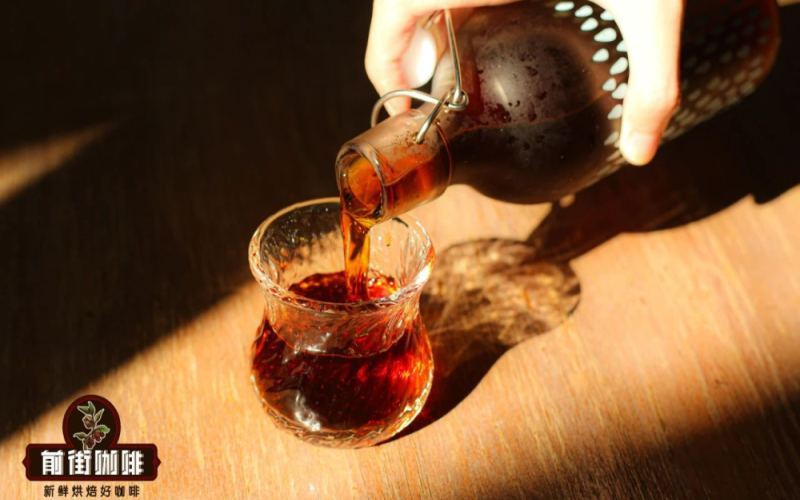
On a scorching summer day, a refreshing glass of cold brew coffee always perks you right up. Compared with pour-over, cold brew has a much lower barrier to entry—just master a few key parameters like the coffee-to-water ratio, grind size, and steeping time, and you can easily make a rich, smooth iced coffee at home. In this article, Front Street Coffee will walk you through the complete cold brew process in detail, including how to choose the coffee-to-water ratio, how to control grind size, the relationship between water temperature and extraction time, and storage tips after filtering. We'll also analyze the flavor differences between cold brew and hot extraction to help you understand why cold brew tastes less acidic and astringent and feels smoother on the palate. Whether you're a beginner just getting into cold brew or a seasoned brewer looking to fine-tune your parameters, you'll find practical references here. [more…]

Coffee supplies running critically low! How coffee lovers can get the most out of every gram of coffee beans
When coffee stocks run low, coffee lovers start finding every possible way to cherish each gram of coffee beans. From reducing the dose and widening the water-to-coffee ratio, to rinsing and reusing filter paper, even a single coffee bean gets a careful brewing. Drip bags, capsule shells, and cold brew containers have all been given new uses. This article rounds up these both hilarious and ingenious "use every last bit" tricks, while keeping the professional coffee knowledge intact, to show you just how far coffee people will go for one more cup. [more…]
The Logic of Choosing Cold Brew Coffee Beans: Sweetness, Cleanliness, and Flavor Intensity
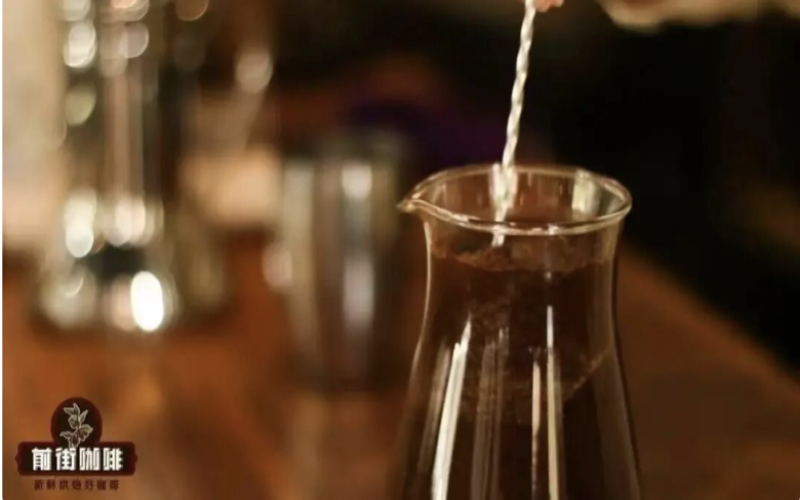
Cold brew acts like a magnifying glass for coffee beans: the sweet becomes sweeter, and the astringent becomes even more astringent, so the cleanliness of the beans is crucial. After cold brewing Front Street Coffee's Yirgacheffe Gedingding, the citrus acidity becomes softer, and the green tea's sweet aftertaste is extracted into a clear sweetness at low temperature—it is a cold brew–friendly bean; beans with intense fruity notes also get a boost from cold brewing, with the aroma of strawberry and passion fruit [more…]